


Hey there! As a supplier of Textile Transfer Foil, I've seen my fair share of applications, both smooth and bumpy. Today, I'm gonna share some tips on how to ensure a smooth application of textile transfer foil.
Understanding the Basics of Textile Transfer Foil
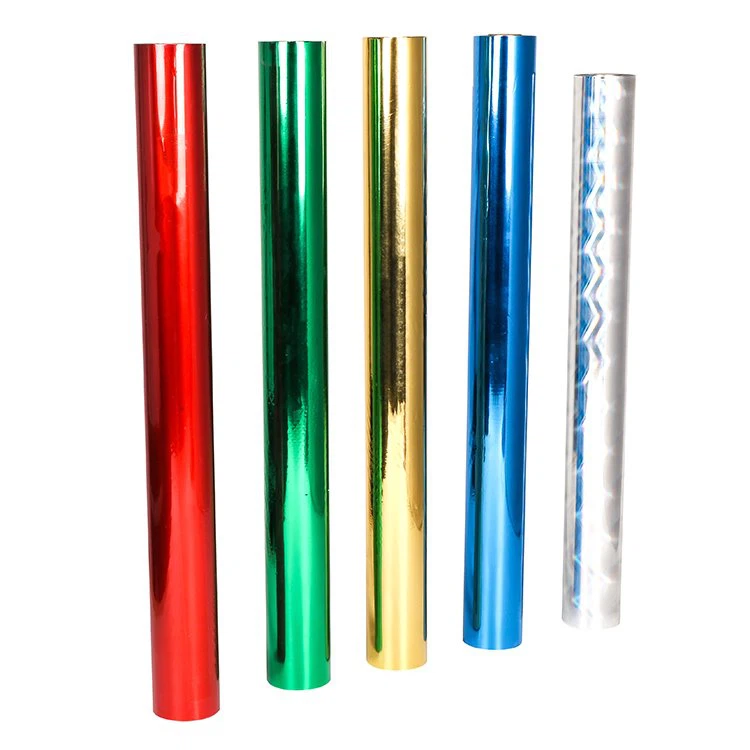
First things first, let's talk about what textile transfer foil is. It's a thin, decorative layer that can be transferred onto textiles using heat and pressure. This process adds a shiny, metallic, or colorful finish to the fabric, making it stand out. There are different types of textile transfer foils available, such as Metallized Film for Decration, which gives a beautiful metallic look, and Flexographic Cold Stamping Foil, which can be applied without the need for high heat.
Preparing the Textile
The key to a successful transfer starts with preparing the textile properly. Make sure the fabric is clean and free from any dirt, oils, or residues. You can wash the fabric using a mild detergent and let it dry completely. Ironing the fabric can also help to remove any wrinkles and create a smooth surface for the transfer.
It's also important to choose the right type of fabric. Some fabrics, like cotton, polyester, and blends, work well with textile transfer foil. However, fabrics with a high percentage of spandex or other stretchy materials may not hold the transfer as well. Always test the transfer on a small, inconspicuous area of the fabric first to see how it adheres.
Selecting the Right Transfer Foil
Not all transfer foils are created equal, and choosing the right one for your project is crucial. Consider the color, finish, and durability you want. For example, if you're looking for a high - shine metallic finish, Metallized Film for Decration might be a great choice. If you're working on a project that requires a more flexible transfer, Flexographic Cold Stamping Foil could be the way to go.
Also, think about the application method. Some foils are designed for hot stamping, while others are for cold stamping. Hot stamping foils, like Hot Stamping Foil for Plastic, require a heat press to transfer the foil onto the fabric. Cold stamping foils, on the other hand, can be applied using a pressure - sensitive adhesive.
Setting Up the Application Equipment
If you're using a heat press for the transfer, it's important to set it up correctly. First, make sure the heat press is clean and in good working condition. Check the temperature and pressure settings according to the manufacturer's instructions for the specific transfer foil you're using.
For hot stamping, the temperature usually ranges from 120 - 200 degrees Celsius, depending on the foil and fabric type. The pressure should be evenly distributed across the transfer area. You can use a pressure gauge to ensure the right amount of pressure is applied.
If you're using a cold stamping method, you'll need a suitable applicator. Make sure the applicator is clean and calibrated to apply the right amount of pressure for a smooth transfer.
Applying the Transfer Foil
Once everything is set up, it's time to apply the transfer foil. For hot stamping, place the transfer foil shiny - side down on the fabric in the desired position. Cover the foil with a piece of parchment paper or a Teflon sheet to protect the heat press and the foil.
Close the heat press and apply the heat and pressure for the recommended time. This can range from a few seconds to a minute or more, depending on the foil and fabric. After the time is up, carefully open the heat press and peel off the carrier film while the fabric is still hot.
For cold stamping, apply the pressure - sensitive adhesive to the fabric first. Then, place the cold stamping foil on the adhesive - coated area and use the applicator to apply pressure evenly. Peel off the carrier film once the foil has adhered to the fabric.
Troubleshooting Common Issues
Even with the best preparation, you might encounter some issues during the application. One common problem is poor adhesion. If the foil doesn't stick properly, it could be due to incorrect temperature, pressure, or a dirty fabric. Try increasing the temperature slightly or applying more pressure. Make sure the fabric is clean and dry.
Another issue is uneven transfer. This can happen if the pressure is not evenly distributed or if there are wrinkles in the foil. Check the pressure settings on your equipment and make sure the foil is smooth before applying it.
If you notice bubbles or air pockets under the foil, try using a roller to smooth out the foil after applying pressure. This can help to remove the air and create a more even transfer.
Post - Application Care
After the transfer is complete, it's important to take care of the fabric to ensure the longevity of the transfer. Avoid washing the fabric for at least 24 hours to allow the foil to fully set. When you do wash the fabric, turn it inside out and use a gentle cycle with cold water. Avoid using harsh detergents or bleach, as these can damage the transfer.
Conclusion
Ensuring a smooth application of textile transfer foil takes a bit of preparation and attention to detail. By understanding the basics of the foil, preparing the textile properly, selecting the right foil, setting up the equipment correctly, and following the application steps carefully, you can achieve great results.
If you're interested in purchasing high - quality textile transfer foils for your projects, feel free to reach out for more information and to discuss your specific needs. We're here to help you make your textile designs shine!

References
- Textile Printing and Dyeing Handbook
- Manufacturer's guides for textile transfer foils