


Hey there! I'm a supplier of China lamination film, and I know how important it is to have good adhesion for these films. In this blog, I'll share some tips on how to improve the adhesion of China lamination film.
Understanding the Basics of Adhesion
First off, let's talk about what adhesion is all about. Adhesion is the ability of the lamination film to stick to the substrate. A strong adhesion ensures that the film stays in place, protecting the substrate and enhancing its appearance. There are several factors that can affect adhesion, such as the surface properties of the substrate, the type of lamination film, and the lamination process.
Surface Preparation of the Substrate
One of the most crucial steps in improving adhesion is proper surface preparation of the substrate. If the substrate surface is dirty, oily, or has a low surface energy, the lamination film won't stick well. Here are some ways to prepare the substrate:
- Cleaning: Use a suitable cleaning agent to remove dirt, dust, and oil from the substrate surface. For example, you can use isopropyl alcohol for cleaning plastic substrates. Make sure to dry the surface thoroughly after cleaning.
- Surface Treatment: Some substrates may require surface treatment to increase their surface energy. Corona treatment is a common method used for plastics. It creates a more polar surface, which improves the wetting and adhesion of the lamination film.
Choosing the Right Lamination Film
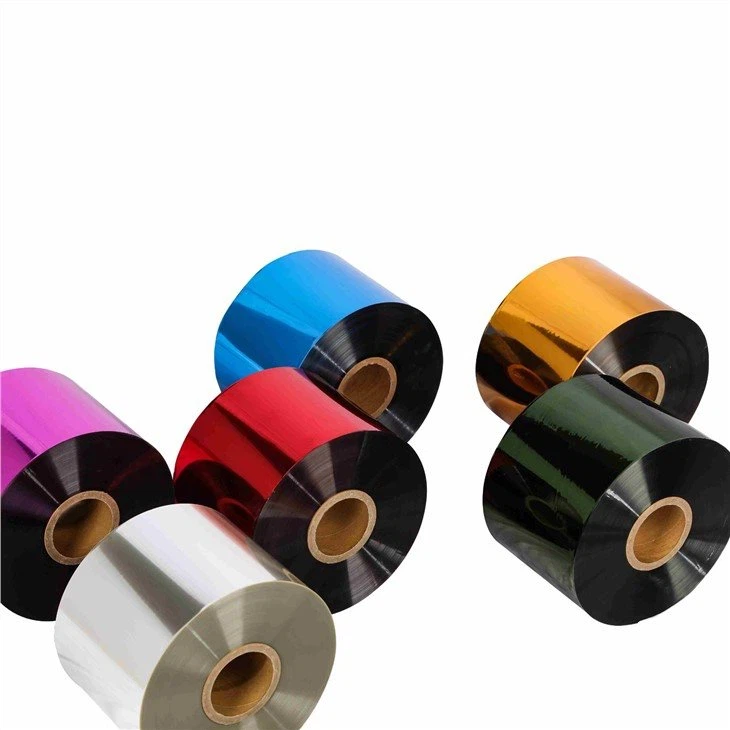
Not all lamination films are created equal. Different types of films have different adhesion properties, so it's important to choose the right one for your application. Here are some popular types of China lamination films and their characteristics:
- Brushed Color Metalized PET Film: This film offers a unique brushed metal look, which is great for decorative applications. It has good adhesion to a variety of substrates, especially plastics. You can check out more details about it Brushed Color Metalized PET Film.
- PET Metal Embossed Film: With its embossed pattern, this film adds a textured look to the substrate. It has excellent adhesion and can be used for packaging, labels, and other applications. Learn more about it PET Metal Embossed Film.
- PET Metalized Silver Thermal Lamination Film: This film is commonly used for thermal lamination processes. It has high reflectivity and good adhesion, making it suitable for products that require protection and a shiny appearance. Find more information PET Metalized Silver Thermal Lamination Film.
Lamination Process Parameters
The lamination process itself plays a significant role in adhesion. Here are some key process parameters to consider:
- Temperature: The temperature during lamination affects the flow and bonding of the film to the substrate. Too low a temperature may result in poor adhesion, while too high a temperature can damage the film or the substrate. You need to find the optimal temperature range for your specific film and substrate combination.
- Pressure: Applying the right amount of pressure is essential for good adhesion. Insufficient pressure may cause air bubbles or uneven bonding, while excessive pressure can lead to film deformation. Make sure the pressure is evenly distributed across the lamination area.
- Speed: The lamination speed also impacts adhesion. A slower speed allows more time for the film to bond to the substrate, but it may reduce productivity. You need to balance the speed with the quality of adhesion.
Using Adhesives and Primers
In some cases, using adhesives or primers can significantly improve the adhesion of the lamination film. Adhesives can be applied between the film and the substrate to create a stronger bond. Primers, on the other hand, are used to prepare the substrate surface and enhance the adhesion of the film. Here are some tips for using adhesives and primers:

- Choose the Right Adhesive or Primer: Different adhesives and primers are designed for different substrates and films. Make sure to select the one that is compatible with your materials.
- Apply the Adhesive or Primer Correctly: Follow the manufacturer's instructions for application. The thickness and uniformity of the adhesive or primer layer can affect adhesion.
Quality Control and Testing
To ensure consistent adhesion, it's important to implement quality control measures and conduct regular testing. Here are some ways to do it:
- Visual Inspection: Check the lamination for any signs of poor adhesion, such as bubbles, delamination, or uneven bonding.
- Peel Testing: Perform peel tests to measure the strength of the adhesion between the film and the substrate. This can help you determine if the adhesion meets your requirements.
Conclusion
Improving the adhesion of China lamination film requires a combination of proper surface preparation, choosing the right film, optimizing the lamination process, and using adhesives or primers when necessary. By following these tips, you can achieve better adhesion and produce high-quality laminated products.
If you're interested in purchasing China lamination film or have any questions about improving adhesion, feel free to reach out. We're here to help you find the best solutions for your needs.
References
- Smith, J. (2020). Lamination Technology Handbook. New York: ABC Publishing.
- Brown, A. (2019). Adhesion Science and Technology. London: XYZ Press.