


Surface tension is a fundamental physical property that plays a crucial role in various industrial applications, including the lamination film industry. As a wholesale lamination film supplier, understanding the surface tension of our products is essential for ensuring optimal performance and customer satisfaction. In this blog post, we will delve into the concept of surface tension, its significance in lamination film, and how it affects the quality of our products.
What is Surface Tension?
Surface tension is a phenomenon that occurs at the interface between two liquids or between a liquid and a solid. It is the result of the cohesive forces between the molecules of a liquid, which cause the surface of the liquid to behave like a stretched elastic membrane. These cohesive forces pull the molecules at the surface towards the interior of the liquid, creating a surface that resists external forces.

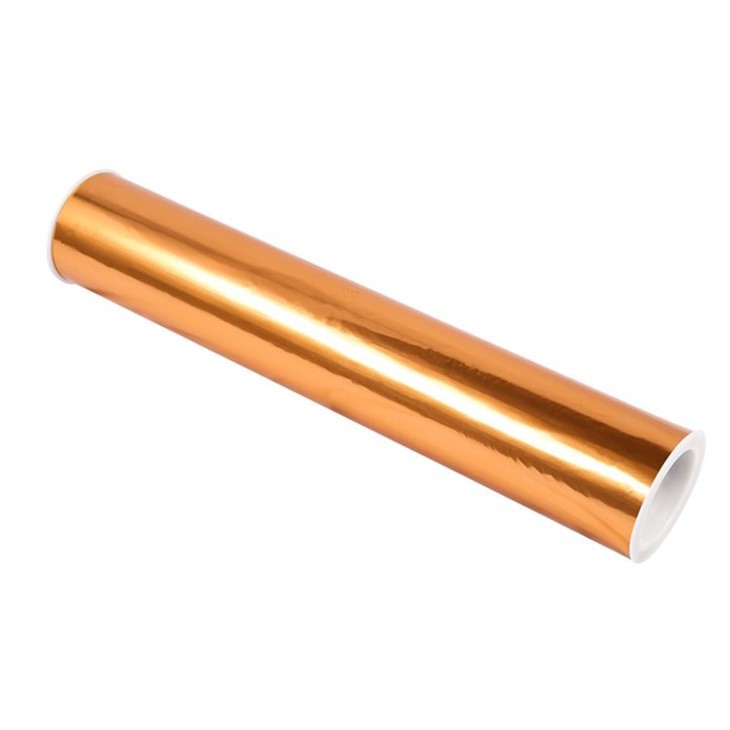
The surface tension of a liquid is typically measured in units of force per unit length, such as dynes per centimeter (dyn/cm) or newtons per meter (N/m). The higher the surface tension, the stronger the cohesive forces between the molecules, and the more difficult it is to break the surface of the liquid.
Importance of Surface Tension in Lamination Film
In the context of lamination film, surface tension plays a critical role in determining the adhesion between the film and the substrate. When a lamination film is applied to a substrate, such as paper, cardboard, or plastic, the surface tension of the film and the substrate must be compatible to ensure proper adhesion.
If the surface tension of the film is too low, it may not wet the substrate properly, resulting in poor adhesion and a weak bond between the film and the substrate. On the other hand, if the surface tension of the film is too high, it may cause the film to bead up on the substrate, leading to uneven coating and a rough surface finish.
Therefore, it is essential to carefully control the surface tension of the lamination film to ensure optimal adhesion and a high-quality finish. This can be achieved through various methods, such as surface treatment, additives, and the selection of appropriate raw materials.
Factors Affecting the Surface Tension of Lamination Film
Several factors can affect the surface tension of lamination film, including the type of polymer, the presence of additives, and the manufacturing process.
- Type of Polymer: Different polymers have different surface tensions, which can vary depending on their chemical structure and molecular weight. For example, polyethylene (PE) has a relatively low surface tension, while polypropylene (PP) has a higher surface tension. Therefore, the choice of polymer can significantly impact the surface tension of the lamination film.
- Additives: Additives are often used in lamination film to improve its performance and properties. Some additives, such as surfactants and wetting agents, can lower the surface tension of the film, making it easier to wet the substrate and improve adhesion. Other additives, such as anti-blocking agents and slip agents, can increase the surface tension of the film, reducing the tendency for the film to stick to itself or other surfaces.
- Manufacturing Process: The manufacturing process can also affect the surface tension of the lamination film. For example, extrusion coating and casting are two common methods used to produce lamination film. Extrusion coating involves melting the polymer and extruding it onto the substrate, while casting involves pouring the polymer solution onto a flat surface and allowing it to dry. The manufacturing process can influence the surface morphology and chemical composition of the film, which can in turn affect its surface tension.
Measuring the Surface Tension of Lamination Film
There are several methods available for measuring the surface tension of lamination film, including the sessile drop method, the Wilhelmy plate method, and the du Noüy ring method.
- Sessile Drop Method: The sessile drop method involves placing a small drop of liquid on the surface of the film and measuring the contact angle between the drop and the film. The contact angle is related to the surface tension of the liquid and the film, and can be used to calculate the surface tension of the film using the Young-Laplace equation.
- Wilhelmy Plate Method: The Wilhelmy plate method involves immersing a thin plate into the liquid and measuring the force required to pull the plate out of the liquid. The force is related to the surface tension of the liquid and the perimeter of the plate, and can be used to calculate the surface tension of the liquid using the Wilhelmy equation.
- Du Noüy Ring Method: The du Noüy ring method involves immersing a thin ring into the liquid and measuring the force required to pull the ring out of the liquid. The force is related to the surface tension of the liquid and the circumference of the ring, and can be used to calculate the surface tension of the liquid using the du Noüy equation.
Controlling the Surface Tension of Lamination Film
As a wholesale lamination film supplier, we understand the importance of controlling the surface tension of our products to ensure optimal performance and customer satisfaction. To achieve this, we use a combination of advanced manufacturing techniques, high-quality raw materials, and rigorous quality control measures.
- Surface Treatment: Surface treatment is a common method used to modify the surface properties of lamination film and improve its adhesion. We use various surface treatment techniques, such as corona treatment, plasma treatment, and flame treatment, to increase the surface energy of the film and make it more receptive to adhesives.
- Additives: We carefully select and use additives in our lamination film to improve its performance and properties. For example, we use surfactants and wetting agents to lower the surface tension of the film and improve its wetting ability, and anti-blocking agents and slip agents to increase the surface tension of the film and reduce the tendency for the film to stick to itself or other surfaces.
- Quality Control: We have a strict quality control system in place to ensure that our lamination film meets the highest standards of quality and performance. We regularly test the surface tension of our products using advanced testing equipment and techniques to ensure that they are within the specified range.
Our Product Range
At our company, we offer a wide range of lamination film products to meet the diverse needs of our customers. Our products include Gold PET Brushed Film, Disposable Holographic Embossing Film, and Plastic PET High Gloss Film for Packaging.
- Gold PET Brushed Film: Our Gold PET Brushed Film is a high-quality lamination film that features a unique brushed finish, giving it a luxurious and elegant appearance. The film has excellent adhesion, scratch resistance, and durability, making it ideal for a variety of applications, such as packaging, decoration, and labeling.
- Disposable Holographic Embossing Film: Our Disposable Holographic Embossing Film is a cost-effective and environmentally friendly lamination film that features a holographic embossed pattern, adding a touch of visual appeal to your products. The film has excellent adhesion, clarity, and flexibility, making it suitable for a wide range of applications, such as packaging, security, and promotional materials.
- Plastic PET High Gloss Film for Packaging: Our Plastic PET High Gloss Film for Packaging is a high-performance lamination film that features a high gloss finish, providing a shiny and attractive appearance to your products. The film has excellent adhesion, barrier properties, and printability, making it ideal for a variety of packaging applications, such as food, cosmetics, and pharmaceuticals.
Contact Us for Procurement
If you are interested in our lamination film products or have any questions about surface tension or other technical aspects, please feel free to contact us. Our team of experts is always ready to assist you and provide you with the best solutions for your needs. Whether you are a small business or a large corporation, we can offer you high-quality lamination film products at competitive prices.
References
- Adamson, A. W., & Gast, A. P. (1997). Physical chemistry of surfaces. John Wiley & Sons.
- Bird, R. B., Stewart, W. E., & Lightfoot, E. N. (2007). Transport phenomena. John Wiley & Sons.
- Israelachvili, J. N. (2011). Intermolecular and surface forces. Academic Press.