


Hey there! As a custom cold foil supplier, I often get asked about the thickness of custom cold foil. It's a crucial factor that can significantly impact the performance and appearance of your final product. So, let's dive right in and explore what the thickness of custom cold foil is all about.
First off, what exactly is custom cold foil? Well, it's a type of foil that's used in cold stamping processes. Unlike traditional hot stamping, cold stamping doesn't require heat to transfer the foil onto the substrate. This makes it a more versatile and cost - effective option for a wide range of applications, from packaging to labels.
The thickness of custom cold foil can vary quite a bit, and it's usually measured in microns (μm). A micron is one - millionth of a meter, which is super tiny. But don't let its small size fool you; the thickness of the foil can make a big difference.
Typically, custom cold foil thicknesses can range from around 6 microns to 25 microns. On the thinner end of the spectrum, say around 6 - 10 microns, the foil is more flexible. This flexibility makes it great for applications where you need to conform to curved or irregular surfaces. For example, if you're stamping on a round bottle label, a thinner foil can wrap around the shape without cracking or peeling.

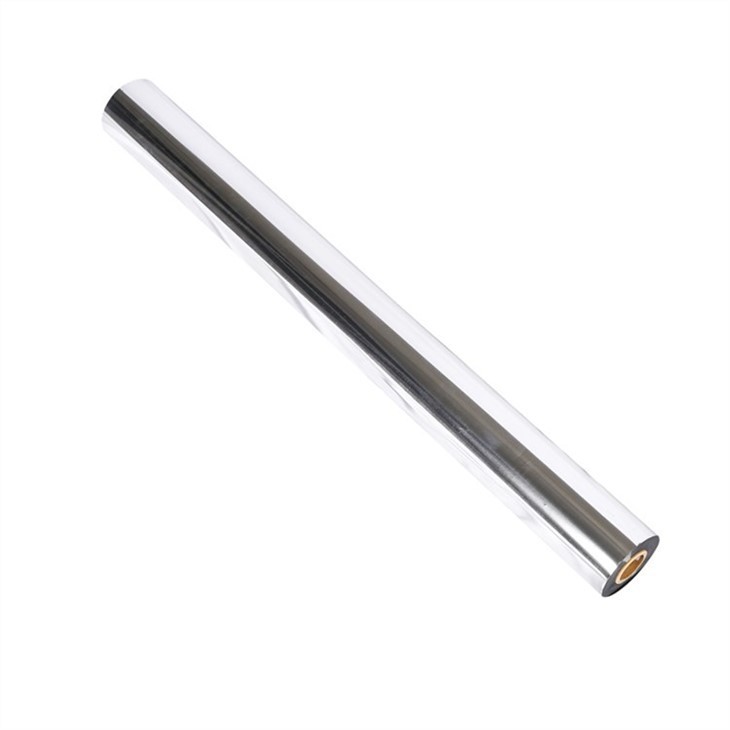
However, thinner foils also have their limitations. They might not be as durable as thicker ones. If your product is going to be exposed to a lot of handling, abrasion, or harsh environmental conditions, a thinner foil could start to wear off over time.
On the other hand, thicker foils, in the range of 15 - 25 microns, offer more durability. They can withstand more wear and tear, making them ideal for products that will be used in high - traffic areas or for long - term applications. For instance, if you're creating a luxury packaging for a high - end product, a thicker foil can give it that premium look and feel that lasts.
But there's a trade - off with thicker foils too. They're less flexible than thinner ones. So, if you're trying to stamp on a very delicate or irregular surface, a thicker foil might not adhere as well or could cause issues like wrinkling.
When it comes to choosing the right thickness for your custom cold foil, you need to consider several factors. The first is the substrate you're stamping on. Different materials, like paper, plastic, or metal, have different surface characteristics. For example, paper is more porous than plastic. A thinner foil might seep into the pores of the paper, while a thicker foil could provide better coverage. You can check out Cold Stamping Foil for Paper to learn more about using cold foil on paper substrates.
The design of your project also matters. If you have a very detailed design with fine lines and small elements, a thinner foil might be better. It can capture those intricate details more accurately. But if your design has large, solid areas, a thicker foil can give a more consistent and opaque finish.
Another important factor is the end - use of your product. If it's a short - term promotional item, a thinner foil might be sufficient. But for a product that needs to maintain its appearance for a long time, like a permanent label or high - end packaging, a thicker foil is probably the way to go. You can take a look at Cold Foil for Light Gold Label for some examples of how different foil thicknesses can work for specific label applications.
As a custom cold foil supplier, I've seen firsthand how the right thickness can make or break a project. We work closely with our customers to understand their needs and recommend the best foil thickness for their specific requirements.
Now, let's talk about the manufacturing process and how it affects the foil thickness. The production of custom cold foil involves several steps, including coating, metallization, and laminating. Each of these steps can influence the final thickness of the foil.
During the coating process, a thin layer of adhesive or other functional coatings is applied to the base film. The thickness of this coating can vary depending on the desired properties of the foil, such as adhesion strength or gloss level.
Metallization is the process of depositing a thin layer of metal, usually aluminum, onto the base film. The amount of metal deposited can also impact the overall thickness of the foil. For example, a more dense metallization will result in a slightly thicker foil. You can find more information about the metallization process and its impact on foil properties in Cold Stamping Aluminum Foil.
Laminating involves bonding different layers of the foil together. The thickness of the laminating layer and the quality of the lamination can affect the final thickness and performance of the foil.
Quality control is also a crucial aspect when it comes to the thickness of custom cold foil. At our company, we use advanced measuring equipment to ensure that each roll of foil meets the specified thickness requirements. This helps us to provide our customers with consistent and high - quality products.
In conclusion, the thickness of custom cold foil is a key factor that can influence the performance, appearance, and durability of your final product. Whether you need a thin, flexible foil for a delicate application or a thick, durable one for a long - lasting project, there's a perfect thickness out there for you.
If you're interested in learning more about custom cold foil and finding the right thickness for your needs, don't hesitate to reach out. We're here to help you make the best choice for your project. Let's start a conversation and see how we can work together to bring your ideas to life!
References
- Industry knowledge and experience as a custom cold foil supplier
- General research on cold stamping and foil manufacturing processes