


Chemical stability is a crucial factor in evaluating the quality and performance of cold foil products. As a leading supplier of China cold foil, I am committed to providing in - depth insights into the chemical stability of our products. This blog aims to explore the concept of chemical stability in the context of cold foil, its importance, and how our China cold foil stands out in this regard.
Understanding Chemical Stability of Cold Foil
Chemical stability refers to the ability of a substance to resist chemical changes under various environmental conditions. For cold foil, this means maintaining its physical and chemical properties over time, including adhesion, gloss, and colorfastness, when exposed to factors such as heat, humidity, chemicals, and light.
Cold foil is typically composed of multiple layers, including a release layer, a color layer, a metal layer, and an adhesive layer. Each layer plays a vital role in the overall performance of the cold foil, and the chemical stability of these layers determines how well the cold foil will perform in different applications.
The release layer, for example, needs to have good chemical compatibility with the carrier film and the subsequent layers. It should be able to release smoothly during the stamping process without leaving residues or affecting the performance of the other layers. The color layer is responsible for the visual appearance of the cold foil. Chemical stability in this layer ensures that the color remains vibrant and does not fade or change over time, even when exposed to sunlight or harsh chemicals.
The metal layer, usually made of aluminum or other metals, provides the metallic luster. A chemically stable metal layer resists oxidation and corrosion, which can cause the foil to lose its shine and become dull. Finally, the adhesive layer must have strong and consistent adhesion properties. Chemical stability in the adhesive layer prevents it from deteriorating, which could lead to poor adhesion and the peeling off of the cold foil from the substrate.
Importance of Chemical Stability in Cold Foil Applications
In the packaging industry, cold foil is widely used for enhancing the visual appeal of products such as food packages, cosmetic boxes, and pharmaceutical containers. Chemical stability is of utmost importance in these applications. For food packages, the cold foil must not react with the food or its packaging materials, ensuring the safety of the food. In cosmetic and pharmaceutical packaging, the cold foil should maintain its appearance and performance over a long period, as these products often have a relatively long shelf - life.
In the printing industry, cold foil is used for adding a high - end finish to printed materials, such as brochures, business cards, and greeting cards. Chemically stable cold foil ensures that the printed products look professional and of high quality throughout their lifespan. It prevents issues like color fading, delamination, and loss of adhesion, which can significantly reduce the value of the printed materials.
Chemical Stability of China Cold Foil
Our China cold foil is designed and manufactured with a focus on high - level chemical stability. We use advanced production technologies and high - quality raw materials to ensure the reliability of each layer of the cold foil.
In the production of the release layer, we carefully select materials that have excellent chemical resistance and release properties. These materials are tested rigorously to ensure that they can withstand different stamping conditions and maintain their performance over time.
For the color layer, we use high - grade pigments and dyes that are resistant to fading and chemical degradation. Our research and development team has developed special formulations that enhance the colorfastness of the cold foil, making it suitable for both indoor and outdoor applications.
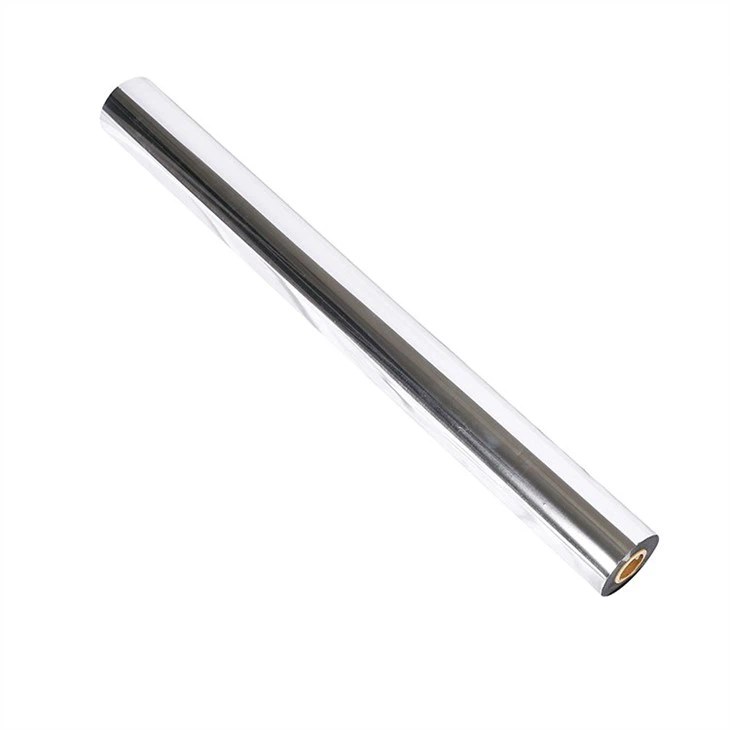

The metal layer of our China cold foil is treated with anti - oxidation and anti - corrosion coatings. These coatings protect the metal from environmental factors, such as moisture and oxygen, which can cause oxidation and corrosion. As a result, our cold foil retains its metallic shine for a long time.
The adhesive layer is another area where we focus on chemical stability. We use high - performance adhesives that have strong adhesion and good chemical resistance. These adhesives are formulated to bond well with a variety of substrates, including paper, plastic, and cardboard, and maintain their adhesion properties even under challenging conditions.
Our Product Range and Their Chemical Stability
We offer a diverse range of cold foil products, each with its own unique chemical stability characteristics.
Cold Stamping Foil for Plastic is specifically designed for plastic substrates. This type of cold foil has a special adhesive layer that is formulated to bond strongly with plastic surfaces. The chemical stability of this adhesive ensures that the cold foil adheres well to the plastic and does not peel off, even when the plastic is exposed to heat or chemicals. The color and metal layers of this cold foil are also highly stable, providing a long - lasting and attractive finish to plastic products.
PET Cold Stamping Foil For Paper Flexo is suitable for paper substrates in flexographic printing. The release layer of this cold foil is optimized for the flexo printing process, ensuring smooth release and high - quality stamping. The chemical stability of the color and metal layers ensures that the printed paper products have a bright and durable appearance. The adhesive layer is designed to work well with paper, providing strong adhesion without causing any damage to the paper fibers.
Air Conditioner Cold Stamping Foil is used in the air - conditioning industry. This cold foil needs to have excellent chemical stability to withstand the harsh environment inside air conditioners, including high humidity and temperature variations. Our air conditioner cold stamping foil has a corrosion - resistant metal layer and a moisture - resistant adhesive layer, ensuring long - term performance and a good appearance.
How We Ensure Chemical Stability
To ensure the chemical stability of our China cold foil, we have a strict quality control system in place. From the selection of raw materials to the final product inspection, every step is carefully monitored.
We source our raw materials from reliable suppliers who can provide high - quality materials with consistent chemical properties. Before using any raw material, we conduct thorough tests to ensure that it meets our quality standards.
During the production process, we use advanced manufacturing equipment and technologies to control the chemical reactions and physical properties of each layer of the cold foil. We maintain strict temperature, pressure, and humidity conditions to ensure the stability of the materials.
After production, each batch of cold foil is tested for chemical stability. We use a variety of testing methods, including accelerated aging tests, chemical resistance tests, and adhesion tests. These tests simulate different environmental conditions and help us to predict how the cold foil will perform over time. Only products that pass all the tests are released to the market.
Contact Us for Procurement
If you are interested in our China cold foil products and their excellent chemical stability, we invite you to contact us for procurement. Our team of experts is ready to provide you with detailed product information, samples, and technical support. Whether you are in the packaging, printing, or other industries, we can offer the right cold foil solution for your needs. We are committed to providing high - quality products and excellent customer service. Let's start a successful business cooperation today!
References
- ASTM International. "Standards for Testing the Chemical Properties of Metallic Coatings." ASTM Publications.
- Packaging Machinery Manufacturers Institute (PMMI). "Best Practices for Cold Foil Application in Packaging." PMMI Reports.
- Printing Industries of America (PIA). "Guidelines for High - Quality Cold Foil Printing." PIA Technical Bulletins.