


As a supplier of cheap cold foil, I've encountered numerous inquiries regarding the optimal storage methods for this product. Cold foil is a versatile and cost - effective material used in various industries, such as printing, packaging, and crafts. Ensuring its proper storage is crucial to maintain its quality and performance over time. In this blog post, I'll share some scientific and practical insights on the best way to store cheap cold foil.
Understanding the Characteristics of Cold Foil
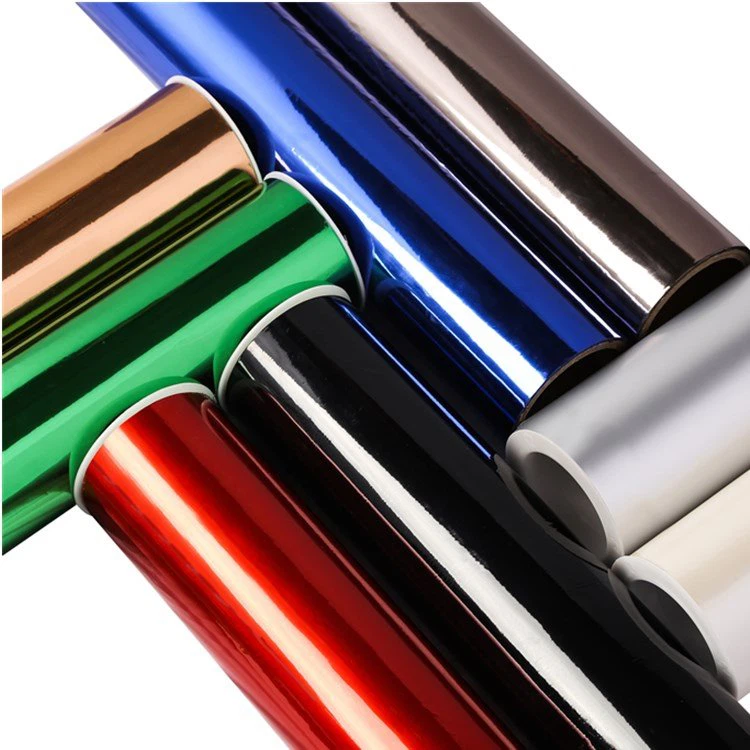
Before delving into storage methods, it's essential to understand the basic characteristics of cold foil. Cold foil typically consists of a thin layer of metal or metallic pigment on a carrier film. The metal layer can be made of aluminum, silver, or other metals, and the carrier film is usually a polyester or similar material. These components are sensitive to environmental factors such as temperature, humidity, light, and mechanical stress.
Temperature and Humidity Control
One of the most critical factors in storing cold foil is temperature and humidity control. Extreme temperatures can cause the carrier film to expand or contract, leading to wrinkling or delamination of the metal layer. High humidity can also promote corrosion of the metal layer and the growth of mold on the foil surface.
The ideal temperature range for storing cold foil is between 18°C and 22°C (64°F - 72°F). This temperature range helps to maintain the stability of the carrier film and the metal layer. Humidity should be kept between 40% and 60%. To achieve these conditions, it's advisable to store cold foil in a climate - controlled environment, such as a storage room with a dehumidifier and air - conditioning system.
Protection from Light
Light, especially ultraviolet (UV) light, can have a detrimental effect on cold foil. UV light can cause the degradation of the carrier film and the fading of the metal layer. Therefore, cold foil should be stored in a dark place or in opaque containers. If the foil is stored on shelves, it's a good idea to cover it with a blackout curtain or use opaque storage boxes.

Avoiding Mechanical Stress
Mechanical stress can damage cold foil. When storing cold foil, it should be kept flat and not bent or creased. If the foil is rolled, it should be stored on a horizontal surface to prevent the weight of the roll from causing deformation. Additionally, avoid stacking heavy objects on top of the cold foil to prevent crushing.
Proper Packaging
Proper packaging is also essential for storing cold foil. The foil should be wrapped in a protective layer, such as a plastic film or a paper wrapper, to prevent dust and moisture from reaching the surface. The packaging should be sealed tightly to maintain the internal environment of the package.
Storage in Original Packaging
Whenever possible, store cold foil in its original packaging. The original packaging is designed to provide the best protection for the product during storage and transportation. It usually has labels indicating the storage conditions and other important information.
Regular Inspection
Regular inspection of the stored cold foil is necessary to detect any signs of damage or deterioration. Check for wrinkles, delamination, corrosion, or mold growth on the foil surface. If any issues are found, take appropriate measures immediately, such as transferring the damaged foil to a more suitable storage environment or using it up as soon as possible.
Different Types of Cold Foil and Their Storage Considerations
There are different types of cold foil available in the market, such as Colorful Cold Stamping Foil, Cold Stamping Aluminum Foil, and Silver Cold Stamping Foil. Each type may have slightly different storage requirements.
Colorful cold stamping foil often contains special pigments that may be more sensitive to light and temperature. Therefore, extra care should be taken to protect it from light and maintain a stable temperature. Cold stamping aluminum foil is more prone to corrosion in high - humidity environments, so humidity control is particularly important for this type of foil. Silver cold stamping foil can tarnish over time, especially in the presence of sulfur - containing compounds in the air. Storing it in a sealed container can help to reduce the risk of tarnishing.
Conclusion
In conclusion, the best way to store cheap cold foil involves controlling temperature and humidity, protecting it from light, avoiding mechanical stress, using proper packaging, and conducting regular inspections. By following these guidelines, you can ensure that your cold foil maintains its quality and performance for a long time.
If you are interested in purchasing our high - quality and affordable cold foil products, we welcome you to contact us for further discussions. Whether you have questions about storage, application, or pricing, our team of experts is ready to assist you.
References
- "Printing Materials Handbook", John Wiley & Sons
- "Packaging Technology and Science", Elsevier