


Hey there! As a wholesale lamination film supplier, I've seen my fair share of issues when it comes to removing lamination film without leaving behind that pesky residue. It can be a real headache, especially when you're trying to get a clean finish. But don't worry, I'm here to share some tips and tricks that I've picked up over the years to help you remove wholesale lamination film without any sticky mess.
Why Removing Residue Matters
First off, let's talk about why it's so important to remove lamination film without residue. Whether you're working on a DIY project, a commercial print job, or just trying to update some old documents, leaving behind residue can make your final product look unprofessional. It can also attract dirt and dust, making the surface look dirty and unkempt. Plus, if you're planning to re - laminate or apply something else to the surface later on, the residue can prevent proper adhesion.
Tools You'll Need
Before we dive into the removal methods, let's go over the tools you'll need. You don't need a whole bunch of fancy equipment, just a few common household items:
- Plastic scraper or credit card: This will help you gently lift the edges of the lamination film.
- Rubbing alcohol: It's great for dissolving the adhesive.
- Cotton balls or soft cloths: To apply the rubbing alcohol and wipe away the residue.
- Hairdryer: Heat can soften the adhesive, making the film easier to remove.
- Vinegar: Another natural alternative for removing adhesive residue.
Step - by - Step Removal Process
Step 1: Start with the Edges
The first thing you want to do is find an edge of the lamination film. Use your plastic scraper or credit card to gently lift the corner. Be careful not to scratch the surface underneath. Once you've got a small section lifted, you can start peeling the film off slowly. If the film starts to tear, stop and try to lift another section.
Step 2: Apply Heat
If the film is really stuck, it's time to bring out the hairdryer. Set it to a medium - high heat and hold it about 6 - 8 inches away from the lamination film. Move the hairdryer back and forth over the film to evenly distribute the heat. The heat will soften the adhesive, making it easier to peel the film off. As you heat the film, start peeling it back slowly. You might notice that the film comes off in larger pieces with less resistance.
Step 3: Deal with Residue
Even after you've removed the film, there's likely going to be some adhesive residue left behind. This is where the rubbing alcohol or vinegar comes in.
- Using Rubbing Alcohol: Soak a cotton ball or soft cloth in rubbing alcohol. Gently rub the residue with the alcohol - soaked cloth. The alcohol will dissolve the adhesive, and you can wipe it away. Make sure to work in small sections and keep the cloth damp with alcohol.
- Using Vinegar: If you prefer a natural option, vinegar works too. Mix equal parts vinegar and water in a spray bottle. Spray the solution onto the residue and let it sit for a few minutes. Then, use a soft cloth to wipe away the residue. You may need to repeat this process a few times for stubborn residue.
Different Types of Lamination Films and Removal
Not all lamination films are created equal. Different types of films may require slightly different removal methods.
PET Metal Embossed Film
PET Metal Embossed Film is a popular choice for adding a decorative touch to various surfaces. When removing this type of film, be extra careful because the embossed pattern can make it a bit more difficult to lift the edges. Start by using the hairdryer to heat the film evenly. The heat will help loosen the adhesive around the embossed areas. Then, use the plastic scraper to lift the edges and peel the film off slowly. For any residue, the rubbing alcohol method works great.
Disposable Holographic Embossing Film
Disposable Holographic Embossing Film is often used for short - term projects. This film can be a bit more fragile than other types. When removing it, don't pull too hard, or the film may break into small pieces. Heat the film gently with the hairdryer and start peeling from the corner. If there's residue, vinegar can be a good option as it's less harsh on the surface and won't damage the holographic effect.
Holographic Hot Stamping Foil
Holographic Hot Stamping Foil is applied using heat, so it can be a bit tricky to remove. First, use the hairdryer to re - heat the foil. This will soften the adhesive that was used to apply it. Then, use a plastic scraper to carefully lift the foil. For residue, rubbing alcohol is usually the best choice as it can quickly dissolve the hot - applied adhesive.

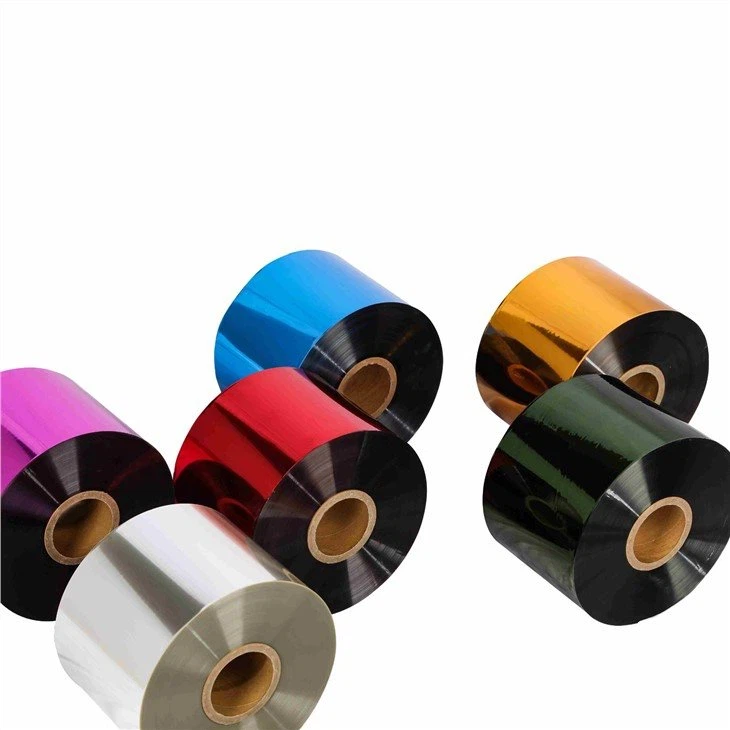
Tips for a Smooth Removal
- Test in a Small Area: Before you start removing the lamination film from the entire surface, test your removal method in a small, inconspicuous area. This will help you make sure that the method doesn't damage the surface underneath.
- Work Slowly: Rushing the process can lead to tearing the film or leaving behind more residue. Take your time, especially when peeling the film off.
- Keep the Surface Clean: As you're removing the film and residue, make sure to keep the surface clean. Wipe away any debris or dissolved adhesive regularly to prevent it from spreading.
Conclusion
Removing wholesale lamination film without leaving residue is definitely doable with the right tools and methods. Whether you're dealing with PET Metal Embossed Film, Disposable Holographic Embossing Film, or Holographic Hot Stamping Foil, following these steps will help you get a clean and professional - looking result.
If you're in the market for high - quality wholesale lamination film, I'd love to have a chat with you. Whether you need a large quantity for a commercial project or just a little bit for a DIY job, I can provide you with the best products at competitive prices. Reach out to me to start a procurement negotiation, and let's work together to find the perfect lamination film for your needs.
References
- "The Complete Guide to Lamination Film" - A handbook on different types of lamination films and their properties.
- "Adhesive Removal Techniques" - A research paper on effective ways to remove adhesive residue from various surfaces.