



Yo, I'm a supplier of Textile Transfer Foil, and I've been in this game for quite a while. One of the questions I often get asked is how the speed of the application process affects textile transfer foil. Well, let's dive right into it.
Understanding the Basics of Textile Transfer Foil
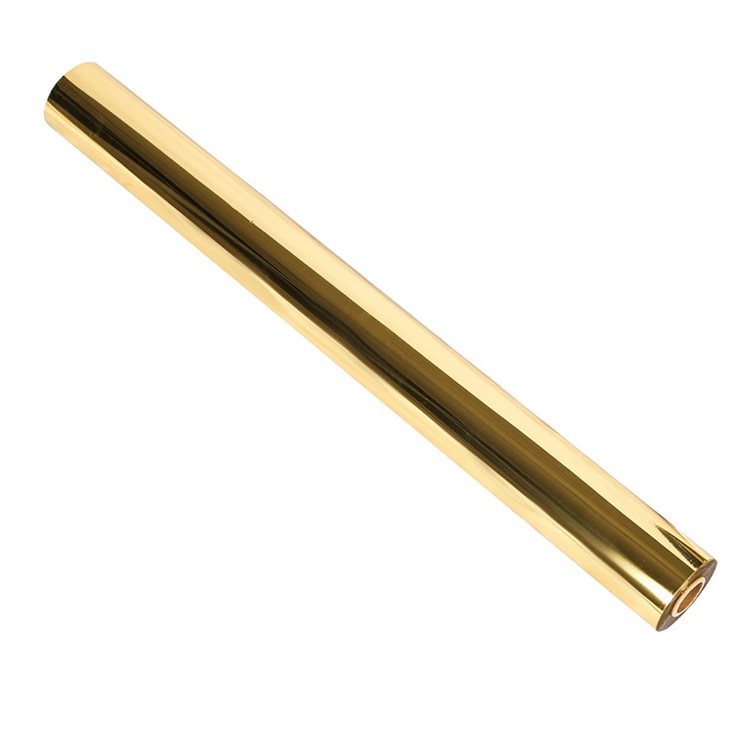
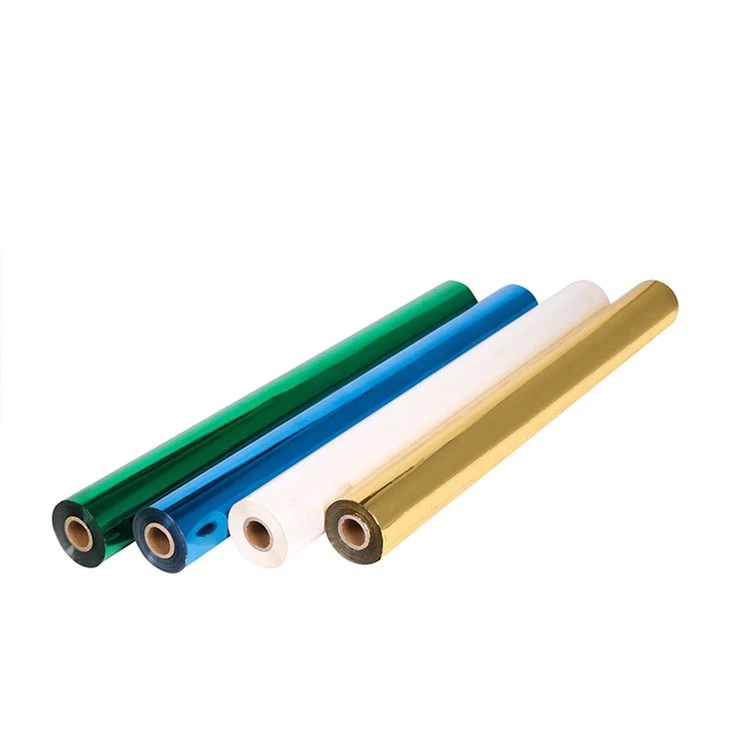
First off, for those who aren't super familiar with textile transfer foil, it's a thin layer of metal or pigment that can be transferred onto textiles. We've got different types like PET Colorful Metallic Foil, Hot Stamping Foil Paper, and Hot Stamping Foil Sheets. These foils are used to add a touch of bling, color, or branding to all sorts of textile products, from t - shirts to sportswear.
The application process of textile transfer foil usually involves heat and pressure. You use a machine to apply the foil onto the fabric at a specific temperature, pressure, and for a certain amount of time. The speed at which this whole process happens can have a big impact on the final result.
Impact of Slow Application Speed
Adhesion Quality
When the application speed is slow, one of the first things you'll notice is the adhesion of the foil to the fabric. A slower speed allows more time for the heat and pressure to work their magic. The foil has more time to bond with the fabric fibers, which generally leads to better adhesion. This means that the foil is less likely to peel off or flake over time. For example, if you're making high - end fashion items that need to last through multiple washes, a slower application speed can ensure that the foil stays put.
Color and Finish
Slow application can also result in a more vibrant and consistent color. The heat has more time to activate the pigments in the foil, and the pressure can evenly distribute the foil across the fabric surface. This gives you a smooth, shiny finish that looks really professional. However, there's a downside. A slow process can be time - consuming and less cost - effective, especially if you're dealing with large - scale production.
Potential for Over - Heating
On the flip side, a slow application speed can sometimes lead to over - heating of the fabric and the foil. If the heat is applied for too long, it can cause the fabric to shrink, warp, or even burn. The foil might also start to break down, losing its luster and adhesion. So, you've got to find that sweet spot when it comes to the application time.
Impact of Fast Application Speed
Production Efficiency
The biggest advantage of a fast application speed is, of course, production efficiency. If you can apply the foil quickly, you can produce more items in a shorter amount of time. This is great for meeting tight deadlines and increasing your overall output. For businesses that deal with high - volume orders, like promotional t - shirts for events or uniforms for large companies, a fast application speed can be a game - changer.
Adhesion Challenges
But here's the catch. A fast application speed can lead to poor adhesion. The foil doesn't have enough time to fully bond with the fabric fibers, so it might start to come off after just a few wears or washes. This is a major issue, especially if you're targeting customers who expect a durable product.
Inconsistent Color and Finish
Fast application can also result in an inconsistent color and finish. The pigments in the foil might not be fully activated, leading to a duller color. And because the foil isn't evenly distributed across the fabric surface, you might end up with blotchy areas or rough patches.
Finding the Right Balance
So, how do you find the perfect application speed? Well, it really depends on a few factors.
Fabric Type
Different fabrics react differently to the application of transfer foil. For example, natural fibers like cotton can generally handle a slower application process, as they're more heat - resistant. Synthetic fibers, on the other hand, can be more sensitive to heat, so you might need to go a bit faster to avoid damage.
Foil Type
The type of foil you're using also matters. Some foils are designed for fast application, while others require a slower approach to achieve the best results. You need to understand the properties of the foil you're working with and adjust the application speed accordingly.
Production Requirements
Your production requirements play a big role too. If you're in a hurry to meet a deadline, you might need to sacrifice a bit of quality for speed. But if you're making high - end, custom products, you'll want to take your time to ensure the best possible finish.
Testing and Optimization
The key to getting it right is testing. You should run a few test samples at different application speeds to see how the foil adheres to the fabric and what the final color and finish look like. Keep track of your results and make adjustments as needed.
Once you've found the optimal speed for a particular fabric - foil combination, document it. This will save you time and effort in the future, especially if you're working on similar projects.
Conclusion
In conclusion, the speed of the application process has a significant impact on textile transfer foil. A slow speed can result in better adhesion and a more vibrant finish, but it can be time - consuming. A fast speed boosts production efficiency but might lead to adhesion and quality issues. As a textile transfer foil supplier, I always recommend finding the right balance based on the fabric type, foil type, and production requirements.
If you're interested in learning more about our textile transfer foils or have any questions about the application process, feel free to reach out. We'd love to chat and help you find the best solutions for your needs. Whether you're a small - scale designer or a large - scale manufacturer, we've got the products and expertise to support you. Let's start a conversation and see how we can work together to create amazing textile products!
References
- Textile Printing and Dyeing Handbook
- Foil Application Techniques in Textile Industry Research Papers