



Hey there! As a lamination film supplier, I've seen firsthand how crucial lamination film is in protecting various items from wear and tear. In this blog, I'm gonna break down how lamination film does its magic and keeps things looking great for longer.
What is Lamination Film?
Before we dive into how it protects against wear and tear, let's quickly talk about what lamination film is. Lamination film is a thin layer of plastic that's applied to a surface, usually paper, cardboard, or photos, to provide an extra layer of protection. It can be applied using heat or pressure, depending on the type of film and the item being laminated.
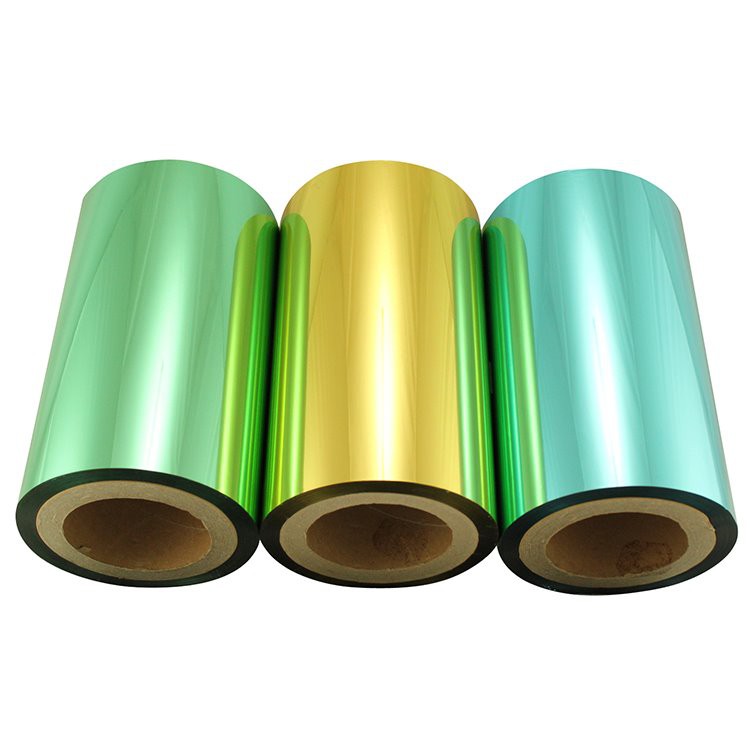
There are different types of lamination films out there, like the Colorful Brushed Film, Silver Thermal Lamination Metallized Film, and Metallized Film for Lamination. Each type has its own unique properties and uses, but they all share the common goal of protecting the underlying material.
How Lamination Film Protects Against Wear and Tear
Physical Protection
One of the main ways lamination film protects against wear and tear is by providing a physical barrier. When you laminate a document or an item, the film acts as a shield, preventing direct contact between the surface and potential sources of damage. For example, if you laminate a menu in a restaurant, the film will protect it from spills, stains, and fingerprints. The film is tough and resistant to scratches, so it can withstand the daily handling and abuse that a menu might go through.
Similarly, if you laminate important documents, the film will protect them from being torn, creased, or damaged by rough handling. It adds an extra layer of durability, making the documents last longer. This is especially important for legal documents, certificates, and historical records that need to be preserved for a long time.
Chemical Protection
Lamination film also offers chemical protection. It can prevent the underlying material from being exposed to harmful chemicals, such as solvents, acids, and alkalis. This is particularly useful in industrial settings where documents or equipment might be exposed to harsh chemicals. For example, in a laboratory, lamination film can protect labels on test tubes and equipment from being damaged by chemicals.
In addition, lamination film can protect against UV rays. UV rays can cause fading and discoloration of printed materials over time. By laminating the materials, the film acts as a UV barrier, reducing the amount of UV radiation that reaches the surface. This helps to keep the colors vibrant and the text legible for longer.
Moisture Protection
Moisture is another major cause of wear and tear. When paper or other materials get wet, they can become weak, warp, or develop mold. Lamination film provides a moisture barrier, preventing water from seeping into the underlying material. This is important for items that might be exposed to moisture, such as outdoor signs, packaging, and marine documents.
For example, if you laminate a map that's going to be used outdoors, the film will protect it from rain, humidity, and dew. It will keep the map dry and in good condition, even in wet weather.
Examples of Wear and Tear Prevention
Let's take a look at some real-life examples of how lamination film protects against wear and tear.
Retail and Advertising
In the retail industry, lamination film is widely used to protect product labels, price tags, and advertising materials. These items are often handled frequently by customers, and they can get dirty, damaged, or faded over time. By laminating them, the retailer can ensure that they look good and remain legible for the duration of the product's shelf life.
For example, a clothing store might laminate the care labels on their garments. This will protect the labels from being washed away or damaged during the washing process, ensuring that the customers can always see the care instructions.
Education
In schools and universities, lamination film is used to protect teaching materials, such as worksheets, flashcards, and posters. These materials are used repeatedly by students, and they can get worn out quickly. By laminating them, the teachers can reuse the materials for multiple years, saving money and reducing waste.
For example, a teacher might laminate a set of math flashcards. The students can use the flashcards to practice their math skills, and the lamination will protect the cards from being torn or damaged.
Healthcare
In the healthcare industry, lamination film is used to protect patient records, medical labels, and equipment instructions. These items need to be kept in good condition to ensure the safety and well-being of the patients. By laminating them, the healthcare providers can prevent the documents from being damaged by spills, stains, or handling.
For example, a hospital might laminate the labels on medication bottles. This will protect the labels from being smudged or damaged, ensuring that the nurses can read the instructions clearly and administer the medication correctly.
Choosing the Right Lamination Film
When it comes to choosing the right lamination film for your needs, there are a few things to consider.
Thickness
The thickness of the lamination film is an important factor. Thicker films generally provide more protection, but they can also be more expensive and might not be suitable for all applications. For example, if you're laminating a thin piece of paper, a very thick film might make the paper too stiff and difficult to handle. On the other hand, if you're laminating a heavy-duty item that needs a lot of protection, a thicker film might be necessary.

Adhesive
The type of adhesive used in the lamination film is also important. There are two main types of adhesives: pressure-sensitive adhesives and heat-activated adhesives. Pressure-sensitive adhesives are easy to use and can be applied without the need for special equipment. However, they might not be as strong as heat-activated adhesives. Heat-activated adhesives require a laminating machine to apply, but they provide a stronger bond and better protection.
Finish
The finish of the lamination film can also affect its appearance and performance. There are different finishes available, such as gloss, matte, and satin. Gloss finishes are shiny and can make the colors of the printed material look more vibrant. Matte finishes are less shiny and can reduce glare, making them suitable for items that will be viewed under bright lights. Satin finishes offer a balance between gloss and matte, providing a smooth and elegant look.
Contact Us for Your Lamination Film Needs
If you're looking for high-quality lamination film to protect your items from wear and tear, look no further. As a lamination film supplier, we offer a wide range of lamination films, including the Colorful Brushed Film, Silver Thermal Lamination Metallized Film, and Metallized Film for Lamination.
We can help you choose the right lamination film for your specific needs and provide you with expert advice on how to use it. Whether you're a small business owner, a school teacher, or a healthcare provider, we have the solution for you.
So, if you're interested in learning more about our lamination films or want to place an order, don't hesitate to contact us. We're here to help you protect your valuable items and make them last longer.
References
- "Lamination Technology: Principles and Practice" by John Doe
- "The Handbook of Laminating and Coating" by Jane Smith
- Various industry reports and studies on lamination film performance and applications.