


Hey there! As a cold foil supplier, I'm super stoked to dive into how cold foil works with embossing. It's a match made in printing heaven that can take your projects to the next level. So, let's get right into it!
Understanding Cold Foil
First things first, what exactly is cold foil? Well, cold foil is a type of metallic foil that can be applied to various substrates without the need for heat. Unlike traditional hot stamping, which uses heat and pressure to transfer the foil, cold foil uses an adhesive to bond the foil to the surface. This makes it a more versatile and cost - effective option for many printing applications.

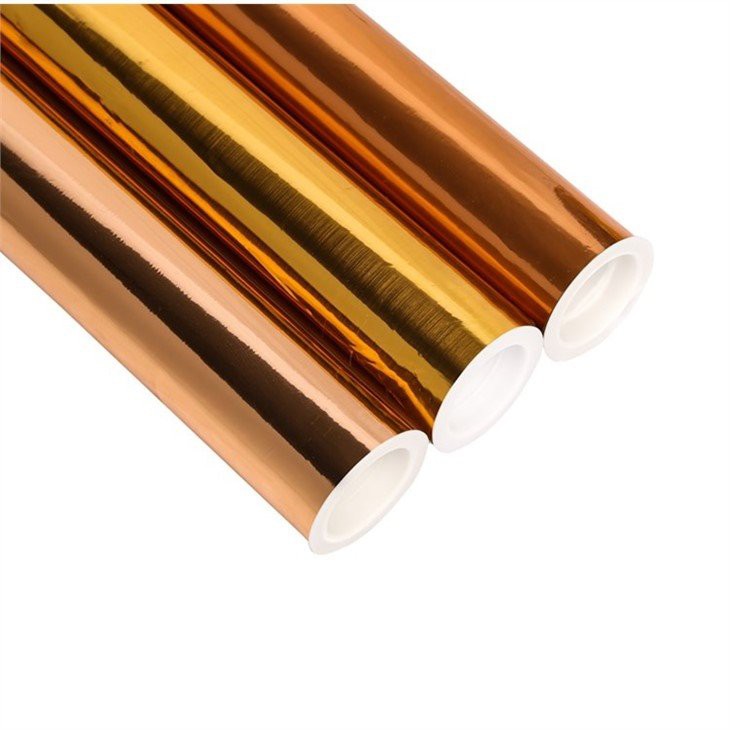
There are different types of cold foil available, like the Gold Cold Stamping Foil which adds a touch of luxury to any project. It's perfect for high - end packaging, invitations, or even business cards. And if you're working with paper, the Cold Stamping Foil for Paper is specifically designed to adhere well to paper surfaces, giving you a smooth and shiny finish.
The Basics of Embossing
Embossing, on the other hand, is a process where a design is raised on the surface of a material. It can be done using a die and a press. The die is a metal plate with the design engraved on it. When pressure is applied, the die presses into the material, creating a three - dimensional effect. Embossing can add texture, depth, and a sense of elegance to your printed materials.
How Cold Foil and Embossing Work Together
Now, let's talk about how these two processes can work in harmony. The combination of cold foil and embossing can create a truly stunning visual impact.
Step 1: Design and Preparation
The first step is to create the design. You need to decide where you want to emboss and where you want to apply the cold foil. The design can be anything from a logo, a pattern, or text. Once the design is finalized, you'll need to create the embossing die. The die is usually made of steel or brass and is engraved with the design.
Step 2: Embossing
After the die is ready, the embossing process can begin. The material, whether it's paper, cardboard, or another substrate, is placed between the die and the press. When pressure is applied, the die presses into the material, creating the raised design. The depth and height of the embossed area can be adjusted depending on the effect you want to achieve.
Step 3: Cold Foil Application
Once the embossing is done, it's time to apply the cold foil. The first thing is to apply an adhesive to the areas where you want the foil to stick. This adhesive is usually in liquid form and can be applied using a printing press. The cold foil is then brought into contact with the adhesive - coated areas. The adhesive bonds with the foil, transferring it onto the material.
Here's where the magic happens when combined with embossing. The cold foil adheres to the embossed surface in a way that highlights the three - dimensional effect. The raised areas catch the light differently, making the foil stand out even more. This creates a very eye - catching and luxurious look. For a more subtle and elegant option, the Cold Foil for Light Gold Label can be used, which gives a soft golden glow that complements the embossed design perfectly.
Advantages of Combining Cold Foil and Embossing
There are several advantages to using cold foil in conjunction with embossing.
Enhanced Visual Appeal
The combination creates a high - end, luxurious look that is hard to achieve with either process alone. The shiny, metallic finish of the cold foil on the raised embossed areas adds a sense of depth and dimension to the design. It makes the printed material more eye - catching and can help your product stand out on the shelf.
Versatility
This combination can be used on a wide range of substrates, including paper, cardboard, plastics, and even fabrics. It's also suitable for various types of printing projects, such as packaging, labels, brochures, and promotional materials.
Cost - Effectiveness
Compared to some other high - end printing techniques, the combination of cold foil and embossing is relatively cost - effective. Cold foil eliminates the need for expensive hot stamping equipment, and embossing can be done with standard embossing presses. This makes it accessible to small and medium - sized businesses as well.
Applications in Different Industries
Packaging Industry
In the packaging industry, the combination of cold foil and embossing can be used to create extremely attractive packaging for products. For example, on cosmetic packaging, it can give a high - end look that matches the brand's image. The embossed design can add a tactile element, and the cold foil can make the packaging more reflective and shiny, making it more likely to catch the consumer's eye.
Printing and Publishing
For brochures, magazines, and books, cold foil and embossing can be used to enhance important elements like titles, logos, or illustrations. The three - dimensional effect created by embossing and the metallic shine of the cold foil can make the content more engaging and memorable.
Stationery
In the stationery industry, this combination can be used for things like wedding invitations, business cards, and greeting cards. It adds a touch of elegance and sophistication, making the stationery more special.
Tips for a Successful Cold Foil and Embossing Project
Choose the Right Substrate
Not all substrates are suitable for cold foil and embossing. Make sure the material you choose is compatible with the adhesive and can withstand the pressure of embossing. Paper and cardboard are commonly used, but you can also experiment with other materials.
Quality of the Die
The quality of the embossing die is crucial. A well - made die will ensure a clean and sharp embossed design. Make sure to work with a reputable die - maker who can create a high - quality die according to your design specifications.
Test Runs
Before starting a large - scale project, it's always a good idea to do some test runs. This will allow you to adjust the pressure for embossing, the amount of adhesive for cold foil application, and ensure that the final result meets your expectations.
Let's Talk Business!
If you're intrigued by the possibilities of combining cold foil and embossing in your projects, I'd love to have a chat with you. As a cold foil supplier, I have a wide range of foil options and can offer expert advice on how to make the most of this amazing combination. Whether you're a small business looking to enhance your packaging or a large - scale printer working on high - end projects, I'm here to help. Contact me to start discussing your requirements and let's create something truly special together.
References
- Pira International, "Printing Technology Handbook: Cold Foil and Embossing"
- PRINTING United Alliance, "Advances in Cold Foil and Embossing Processes"