


Hey there! As a lamination film supplier, I get asked a lot about how to ensure the lamination film is evenly applied. It's a crucial step in getting that perfect finish for your products, whether you're working on packaging, printing, or any other application that uses lamination film. So, I thought I'd share some tips and tricks based on my experience in the industry.
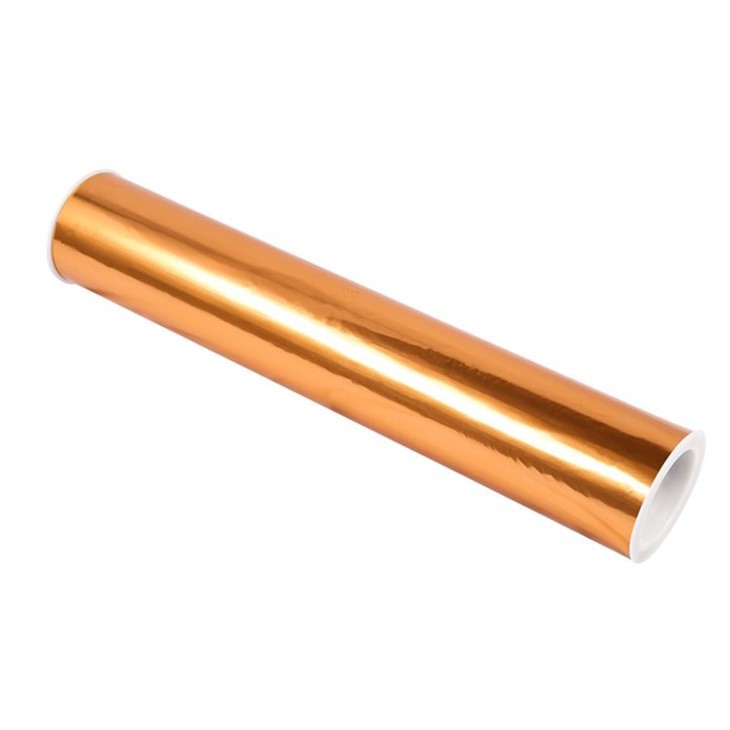
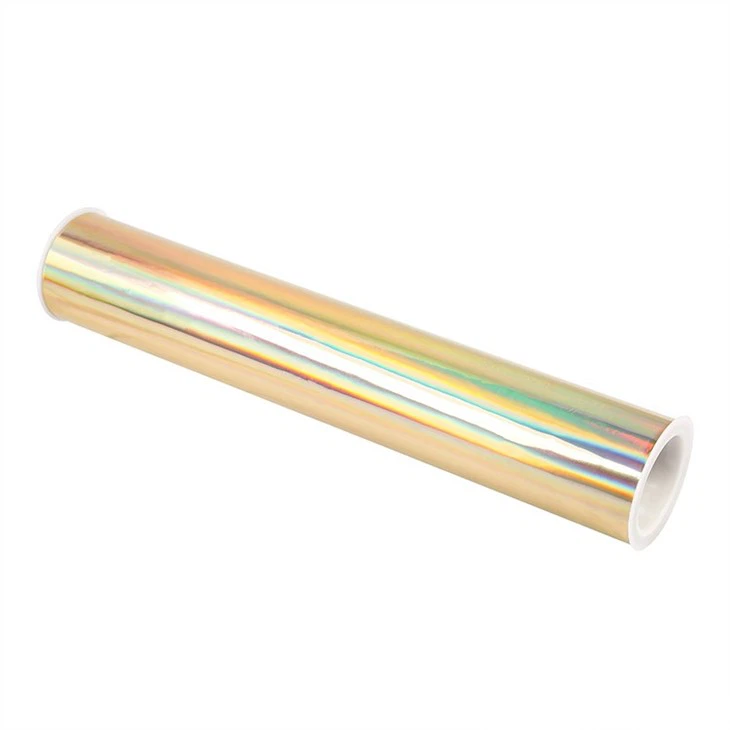
First things first, let's talk about the types of lamination films we offer. We have a wide range of options to suit different needs, including the Permanent Holographic Embossing Film, which adds a unique and eye-catching holographic effect to your products. Then there's the 12 - 100micron Metallized Lamination Film, which provides excellent barrier properties and a shiny, metallic look. And for a more elegant touch, we have the Gold PET Brushed Film, with its beautiful brushed finish.
Now, onto the main topic - ensuring even application of the lamination film. The first step is to prepare the surface that you're going to laminate. Make sure it's clean, dry, and free of any dust, dirt, or grease. Even a tiny speck of dust can cause a bubble or unevenness in the lamination. You can use a clean, lint - free cloth and a mild cleaning solution to wipe down the surface. If you're laminating paper or cardboard, it's also a good idea to let it acclimate to the environment for a few hours to avoid any warping due to humidity changes.
Next, choose the right lamination equipment. The type of equipment you use depends on the size and volume of your projects. For small - scale jobs, a handheld laminator might be sufficient. These are easy to use and can be a great option for DIY projects or small businesses. However, for larger - scale production, a commercial laminating machine is a better choice. These machines offer more control over the temperature, pressure, and speed, which are all crucial factors in achieving an even lamination.
Temperature is one of the most important factors. If the temperature is too low, the adhesive on the lamination film won't bond properly, and you might end up with bubbles or delamination. On the other hand, if the temperature is too high, the film can warp or melt, ruining your project. Different types of lamination films have different optimal temperature ranges. For example, our standard polyester lamination films usually work best at temperatures between 100°C and 130°C. Always refer to the product specifications provided by the manufacturer to determine the right temperature for your film.
Pressure also plays a vital role. The pressure applied during lamination helps to ensure that the film adheres evenly to the surface. Most commercial laminating machines allow you to adjust the pressure. You want to apply enough pressure to get a good bond but not so much that it damages the film or the substrate. Start with a medium pressure setting and test a small area. If you notice any areas where the film isn't adhering well, you can increase the pressure slightly.
Speed is another factor to consider. If you move the substrate through the laminator too quickly, the film might not have enough time to bond properly. Conversely, if you go too slowly, the film can overheat and cause problems. The ideal speed depends on the type of film, the temperature, and the pressure. You'll need to do some testing to find the right speed for your specific project.
When loading the film and the substrate into the laminator, make sure they are aligned properly. Any misalignment can result in uneven lamination. You can use guides or markings on the laminator to help you align the materials accurately. Also, feed the materials smoothly and steadily into the machine to avoid any jerks or sudden movements that could cause wrinkles or bubbles.
After lamination, it's important to let the laminated product cool down gradually. Rapid cooling can cause the film to shrink unevenly, leading to warping or other defects. You can simply let the product sit at room temperature for a few minutes until it cools completely.
Another tip is to use a release liner if your lamination film comes with one. The release liner protects the adhesive on the film during storage and handling. When you're ready to laminate, carefully remove the release liner just before feeding the film into the laminator. This helps to keep the adhesive clean and ensures a better bond.
Regular maintenance of your laminating equipment is also essential. Clean the rollers and other parts of the machine regularly to prevent the buildup of adhesive or debris. This not only helps to ensure even lamination but also extends the lifespan of your equipment.
In some cases, you might encounter problems during the lamination process, such as bubbles or wrinkles. If you get bubbles, try to gently press them out with a squeegee or a smooth, flat object. For wrinkles, you can sometimes re - laminate the area after making sure the substrate is flat and properly aligned. However, if the problem persists, it might be a sign that there's an issue with the temperature, pressure, or speed settings.
To sum it up, ensuring the even application of lamination film requires careful preparation, the right equipment, and proper control of temperature, pressure, and speed. By following these tips, you can achieve a high - quality, professional - looking finish for your projects.
If you're interested in our lamination films or have any questions about the application process, don't hesitate to reach out. We're here to help you find the best solutions for your needs and ensure that you get the most out of our products. Whether you're a small business just starting out or a large - scale manufacturer, we have the right lamination film for you.
References
- Industry - standard lamination guides provided by film manufacturers
- Personal experience and knowledge gained from years of working in the lamination film supply industry