



Hey there! As a supplier of cheap lamination film, I often get asked a bunch of questions. One question that pops up quite a bit is, "Does cheap lamination film shrink over time?" Well, let's dig into this topic and find out.
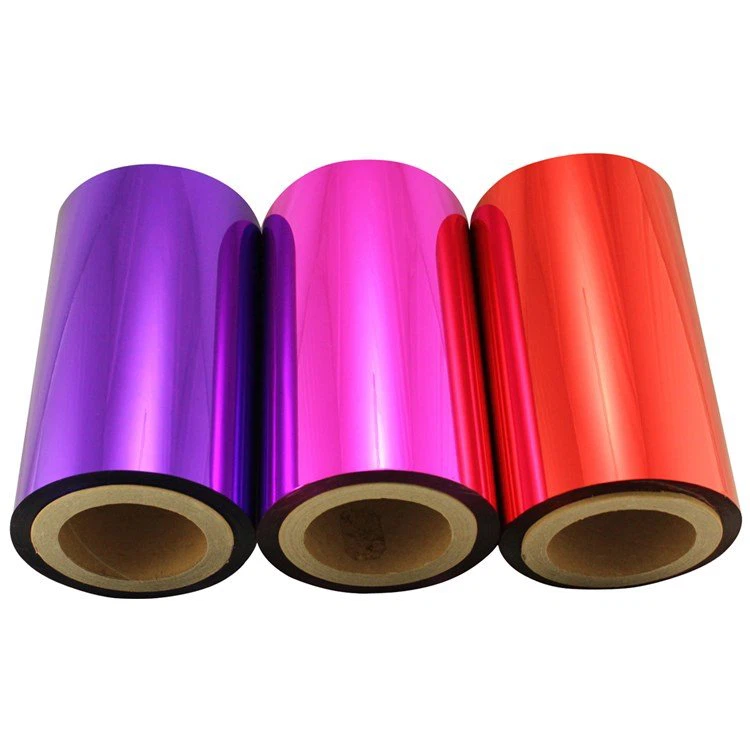
First off, let's understand what lamination film is. Lamination film is a thin plastic layer that's used to protect and enhance printed materials. It can give your prints a shiny finish, make them more durable, and protect them from things like scratches, moisture, and UV rays. There are different types of lamination films out there, like PET Brushed Film for Printing, Holographic Hot Stamping Foil, and High Glossy Metallized Plastic Film.
Now, back to the question at hand - does cheap lamination film shrink over time? The short answer is, it can. But it's not a given. There are a few factors that can cause lamination film to shrink, and cost isn't the only one.
Factors Affecting Shrinkage
1. Material Quality
The quality of the plastic used in the lamination film plays a huge role. Cheaper films might use lower - grade plastics that are more prone to shrinkage. These plastics may not have been properly formulated or treated during the manufacturing process. For example, some plastics might have a higher degree of internal stress. When exposed to changes in temperature or humidity, this stress can cause the film to contract and shrink.
On the other hand, higher - quality films are made from better - grade plastics that are more stable. They're designed to withstand environmental changes without significant shrinkage. But that doesn't mean all cheap films are bad. Some suppliers, like us, manage to offer affordable films that still have decent quality.
2. Temperature and Humidity
Environmental conditions are a major culprit when it comes to film shrinkage. Most plastics expand and contract with changes in temperature. If a lamination film is exposed to high temperatures, the plastic molecules start to move more freely, causing the film to expand. When it cools down, it contracts. If this cycle happens repeatedly, the film can gradually shrink over time.
Humidity also affects lamination film. High humidity can cause the film to absorb moisture, which can lead to swelling. When the humidity drops, the moisture evaporates, and the film can shrink. In areas with extreme temperature and humidity fluctuations, the risk of shrinkage is even higher, regardless of whether the film is cheap or expensive.
3. Lamination Process
How the film is applied to the printed material matters too. If the lamination process isn't done correctly, it can lead to shrinkage. For example, if the film is heated too much during the lamination process, it can start to shrink right away. Also, if the film isn't properly adhered to the substrate, it might wrinkle or shrink as it tries to adjust to the environment.
Testing Shrinkage
To figure out if a particular lamination film will shrink, we often do some simple tests. We cut a sample of the film and measure its dimensions. Then we expose it to different temperature and humidity conditions for a set period. After that, we measure the film again to see if there's any change in size.
This way, we can give our customers an idea of how the film will perform under normal use. And if a film shows a high tendency to shrink, we'll let the customers know so they can make an informed decision.
Minimizing Shrinkage
If you're using cheap lamination film and want to minimize shrinkage, here are some tips:
1. Store Properly
Keep the lamination film in a cool, dry place. Avoid storing it in areas where the temperature and humidity fluctuate a lot, like near a window or a heating vent.
2. Control the Environment
When laminating, try to control the temperature and humidity of the room. Most lamination machines work best at a specific temperature and humidity range. Follow the manufacturer's recommendations to ensure a proper lamination.
3. Choose the Right Film
Not all cheap films are the same. Look for films that are specifically designed to be more stable. We offer a range of lamination films, and we can help you choose the one that's least likely to shrink for your particular application.

Our Experience as a Supplier
Over the years, we've had customers who were initially skeptical about using cheap lamination film because of the shrinkage concern. But after working with us and following our advice, they've been happy with the results.
We've also seen that in many cases, the shrinkage is so minimal that it doesn't affect the overall appearance or functionality of the laminated material. As long as the film is used and stored correctly, it can provide good protection and a nice finish.
Conclusion
So, does cheap lamination film shrink over time? It can, but it's not a definite thing. There are many factors at play, and with proper handling and selection, you can use cheap lamination film without worrying too much about shrinkage.
If you're in the market for lamination film, whether it's PET Brushed Film for Printing, Holographic Hot Stamping Foil, or High Glossy Metallized Plastic Film, we're here to help. We can provide you with high - quality yet affordable options and guide you on how to use them to get the best results.
If you have any questions or want to discuss your lamination needs, feel free to reach out. We're always happy to have a chat and help you find the perfect lamination solution for your business.
References
- Plastics: Properties and Applications by Christopher Hall
- Handbook of Laminating Technology by John A. Semmelhack