



As a leading supplier of cold foil products, I'm often asked whether cold foil can be used on acrylic. This question is not only relevant to a wide range of industries but also crucial for those looking to enhance the aesthetic appeal of acrylic-based products. In this blog post, I'll delve into the science behind cold foil application on acrylic, exploring the feasibility, process, and best practices.
Understanding Cold Foil and Acrylic
What is Cold Foil?
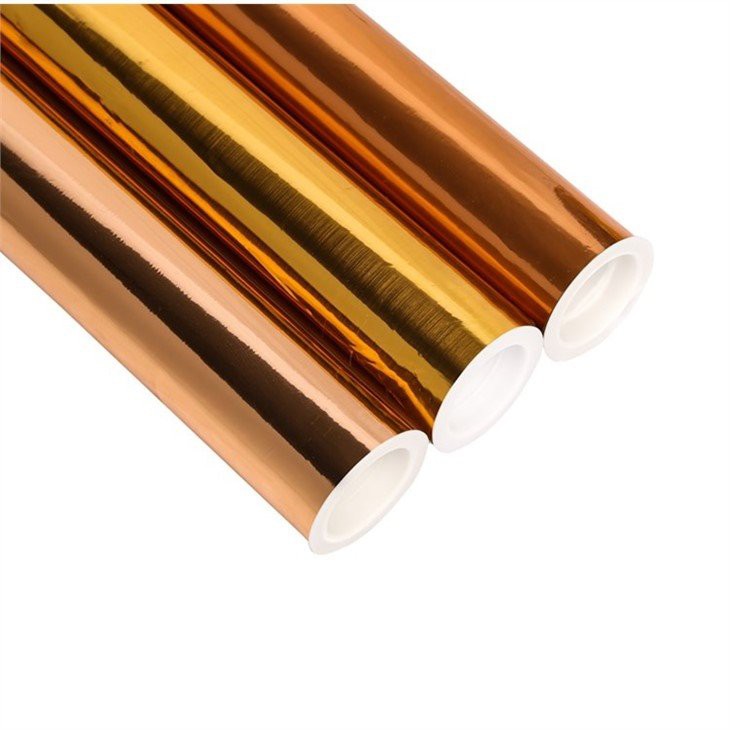
Cold foil is a decorative material that can be applied to various substrates without the need for heat. Unlike traditional hot stamping, cold foiling uses adhesives or pressure to transfer a thin layer of metallic or colored foil onto a surface. Cold foil comes in a variety of colors, including gold, silver, and specialty finishes, and can be used to add a touch of luxury, branding, or visual interest to products. For more information about cold foil products for plastic, you can visit our Cold Stamping Foil for Plastic page.
What is Acrylic?
Acrylic, also known as polymethyl methacrylate (PMMA), is a transparent thermoplastic material that is widely used in a variety of applications. It is known for its high clarity, impact resistance, and weatherability, making it a popular choice for signage, displays, furniture, and automotive parts. Acrylic can be easily molded, cut, and shaped, and it can be finished with a variety of surface treatments, such as polishing, painting, and printing.
Feasibility of Using Cold Foil on Acrylic
The short answer is yes, cold foil can be used on acrylic. However, there are several factors to consider to ensure a successful application.
Surface Compatibility
The first step in using cold foil on acrylic is to ensure that the surface is clean, dry, and free of any contaminants, such as dust, grease, or fingerprints. Acrylic surfaces are typically smooth and non-porous, which can make it challenging for the cold foil adhesive to bond effectively. To improve adhesion, the acrylic surface may need to be pre-treated with a primer or surface activator.
Adhesive Selection
The choice of adhesive is critical for a successful cold foil application on acrylic. The adhesive must be compatible with both the cold foil and the acrylic surface and provide sufficient bonding strength to ensure a durable and long-lasting finish. Different types of adhesives are available, including water-based, solvent-based, and ultraviolet (UV) curable adhesives. The choice of adhesive will depend on the specific requirements of the application, such as the type of cold foil, the printing process, and the environmental conditions.
Printing Process
Cold foil can be applied to acrylic using a variety of printing processes, including screen printing, flexography, and digital printing. Each printing process has its advantages and limitations, and the choice of process will depend on the specific requirements of the application, such as the size and complexity of the design, the production volume, and the desired finish.
The Cold Foil Application Process on Acrylic
Step 1: Surface Preparation
As mentioned earlier, the acrylic surface must be clean, dry, and free of any contaminants before applying the cold foil. The surface can be cleaned using a mild detergent and water, followed by a thorough rinse and drying. In some cases, the acrylic surface may need to be pre-treated with a primer or surface activator to improve adhesion.
Step 2: Adhesive Application
The adhesive is applied to the acrylic surface using a printing process, such as screen printing, flexography, or digital printing. The adhesive is typically applied in a thin, uniform layer, and the thickness of the adhesive will depend on the type of cold foil and the printing process.
Step 3: Cold Foil Application
Once the adhesive has been applied, the cold foil is transferred onto the acrylic surface using a pressure roller or a laminating machine. The pressure applied during the transfer process will ensure that the cold foil adheres to the adhesive and forms a strong bond with the acrylic surface.
Step 4: Foil Removal
After the cold foil has been applied, any excess foil is removed from the surface using a stripping process. The stripping process can be done manually or using a machine, and it will depend on the type of cold foil and the printing process.
Step 5: Finishing
Once the excess foil has been removed, the acrylic surface may need to be finished with a protective coating or a surface treatment to improve the durability and weatherability of the cold foil finish.
Best Practices for Using Cold Foil on Acrylic
Choose the Right Cold Foil
There are different types of cold foil available, each with its own characteristics and properties. When choosing a cold foil for acrylic, it is important to consider the specific requirements of the application, such as the color, finish, and durability. For example, our Silver Cold Stamping Foil and Gold Cold Stamping Foil are popular choices for adding a touch of luxury and elegance to acrylic products.
Test the Adhesion
Before starting a large-scale production, it is important to test the adhesion of the cold foil to the acrylic surface. This can be done by applying a small sample of the cold foil to a test piece of acrylic and allowing it to dry. Once the cold foil has dried, the adhesion can be tested by gently rubbing the surface with a finger or a cloth. If the cold foil does not adhere properly, the surface may need to be pre-treated or a different adhesive may need to be used.
Control the Environment
The temperature and humidity of the environment can have a significant impact on the adhesion and quality of the cold foil application. It is important to control the temperature and humidity of the printing environment to ensure consistent results. The ideal temperature for cold foil application is between 20°C and 25°C, and the relative humidity should be between 40% and 60%.
Conclusion
In conclusion, cold foil can be successfully used on acrylic to add a decorative and eye-catching finish to a variety of products. However, it is important to consider the surface compatibility, adhesive selection, and printing process to ensure a successful application. By following the best practices outlined in this blog post, you can achieve high-quality and durable cold foil finishes on acrylic.

If you are interested in using cold foil on your acrylic products, we invite you to contact us to discuss your specific requirements. Our team of experts can provide you with advice and guidance on the best cold foil products and application methods for your needs. Let's work together to take your acrylic products to the next level with our high-quality cold foil solutions.
References
- "Cold Foil Stamping: A Comprehensive Guide." Printing Impressions.
- "Acrylic Plastics: Properties and Applications." Plastics International.
- "Adhesives for Cold Foil Application." Adhesives Magazine.