


As a long - standing supplier in the field of cheap textile transfer foil, I've encountered numerous challenges and opportunities. One of the most frequently asked questions from our clients is how to make the colors of our cheap textile transfer foil more vivid. In this blog, I'll share some professional insights and practical tips based on years of experience in the industry.
Understanding the Basics of Textile Transfer Foil
Before diving into the methods of enhancing color vividness, it's essential to understand what textile transfer foil is. Textile transfer foil is a thin film that can be transferred onto textiles through a heat - transfer process. Our cheap textile transfer foil is designed to offer cost - effective solutions for various textile decoration needs, from fashion apparel to home textiles. However, due to the cost - effective nature, the colors might not always appear as vivid as more expensive alternatives.
Factors Affecting Color Vividness
- Quality of the Foil Coating
The coating on the textile transfer foil is responsible for the color. In our cheap textile transfer foil, the quality of this coating can sometimes be a limiting factor. Cheaper raw materials might have less pure pigments or a thinner coating layer. This can lead to colors that appear dull or faded after the transfer process. To improve this, we need to carefully select and test the coating materials. For instance, choosing pigments with higher color saturation and better light - fastness can significantly enhance the final color appearance. - Transfer Temperature and Pressure
The heat - transfer process plays a crucial role in determining the color vividness. If the temperature is too low, the foil might not adhere properly to the textile, resulting in a weak and less vivid color. On the other hand, if the temperature is too high, it can cause the pigments in the foil to break down or change color. Similarly, pressure also affects the transfer. Insufficient pressure can lead to uneven transfer and less intense colors, while excessive pressure might damage the textile or the foil. Finding the optimal temperature and pressure settings for different types of textiles and foils is key. - Textile Material
Different textile materials have different properties that can affect the way the transfer foil adheres and the color appears. For example, natural fibers like cotton and silk absorb the foil differently compared to synthetic fibers like polyester. The texture and porosity of the textile surface also matter. A smooth and tightly woven fabric might provide a better surface for the foil to transfer, resulting in more vivid colors. On the other hand, a rough or porous fabric might cause the foil to spread unevenly, making the colors seem less intense.
Methods to Improve Color Vividness
-
Optimize the Foil Formula
As a supplier, we continuously research and develop to improve the formula of our cheap textile transfer foil. We work with pigment manufacturers to source high - quality pigments that offer better color performance. By adjusting the ratio of pigments and other components in the coating, we can enhance the color saturation and light - fastness of the foil. For example, adding a small amount of a special enhancing agent can help the pigments better adhere to the textile and maintain their color over time. -
Precise Heat - Transfer Settings
To ensure the best color results, we recommend using a professional heat - transfer machine with accurate temperature and pressure control. Before starting a large - scale production, it's important to conduct test transfers on a small piece of the same textile material. This allows you to fine - tune the temperature and pressure settings based on the specific characteristics of the foil and the textile. Typically, for most textiles, a temperature range of 160 - 180 degrees Celsius and a pressure of about 3 - 5 kg/cm² for a duration of 10 - 15 seconds can yield good results. However, these values can vary depending on the type of foil and textile. -
Surface Treatment of the Textile
Pre - treating the textile surface can improve the adhesion of the transfer foil and enhance color vividness. For example, applying a thin layer of a special primer can create a smooth and receptive surface for the foil. This primer can help the pigments in the foil to spread more evenly and adhere firmly to the textile. Additionally, for some rough or porous textiles, a light sanding or brushing can be done to create a more uniform surface before the transfer process. -
Post - Treatment
After the heat - transfer process, post - treatment steps can further improve color vividness. One common method is to apply a protective topcoat. This topcoat not only protects the transferred foil from abrasion and fading but also enhances the color intensity by adding a glossy or semi - glossy finish. The topcoat can also improve the light - fastness of the colors, making them last longer.
Industry Applications and Examples
Our cheap textile transfer foil is widely used in many industries. In the fashion industry, it can be used to create eye - catching patterns on T - shirts, dresses, and jackets. For example, a small - scale fashion brand can use our foil to add unique metallic or fluorescent elements to their clothing, making their products stand out in the market.
In the home textile industry, our foil can be transferred onto curtains, pillowcases, and tablecloths. A home decor company can use the foil to create elegant and luxurious patterns, enhancing the overall aesthetic of the products.
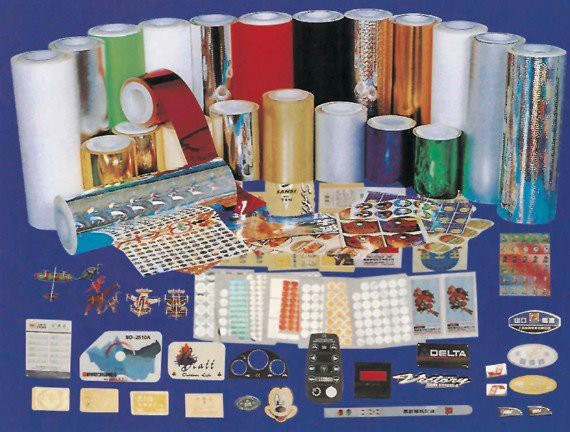

We also offer different types of foil for specific applications. For example, Hot Stamping Foil for Leather is designed to work well on leather materials, providing a high - quality finish with vivid colors. Hot Stamping Foil for Bottle Cap is suitable for decorating bottle caps with durable and eye - catching colors. And Hot Stamping Foil for Plastic can be used to add decorative elements to plastic products.
Conclusion
In conclusion, making the colors of our cheap textile transfer foil more vivid requires a combination of factors, including improving the foil formula, precise heat - transfer settings, appropriate textile surface treatment, and post - treatment. By following these methods, our clients can achieve high - quality and eye - catching results with our cost - effective textile transfer foil.
If you are interested in our cheap textile transfer foil and want to learn more about how to enhance the color vividness in your specific applications, or if you have any questions about our other products such as Hot Stamping Foil for Leather, Hot Stamping Foil for Bottle Cap, or Hot Stamping Foil for Plastic, please feel free to contact us for a detailed discussion and procurement. We are always ready to provide you with professional advice and high - quality products.
References
- Smith, J. (2018). Textile Decoration Techniques. New York: Textile Press.
- Brown, A. (2019). Advances in Heat - Transfer Printing. London: Printing Industry Publications.
- Green, M. (2020). Pigment Technology for Textiles. Sydney: Color Science Institute.